
Transcranial Magnetic Stimulation (TMS)
What is Transcranial Magnetic Stimulation?
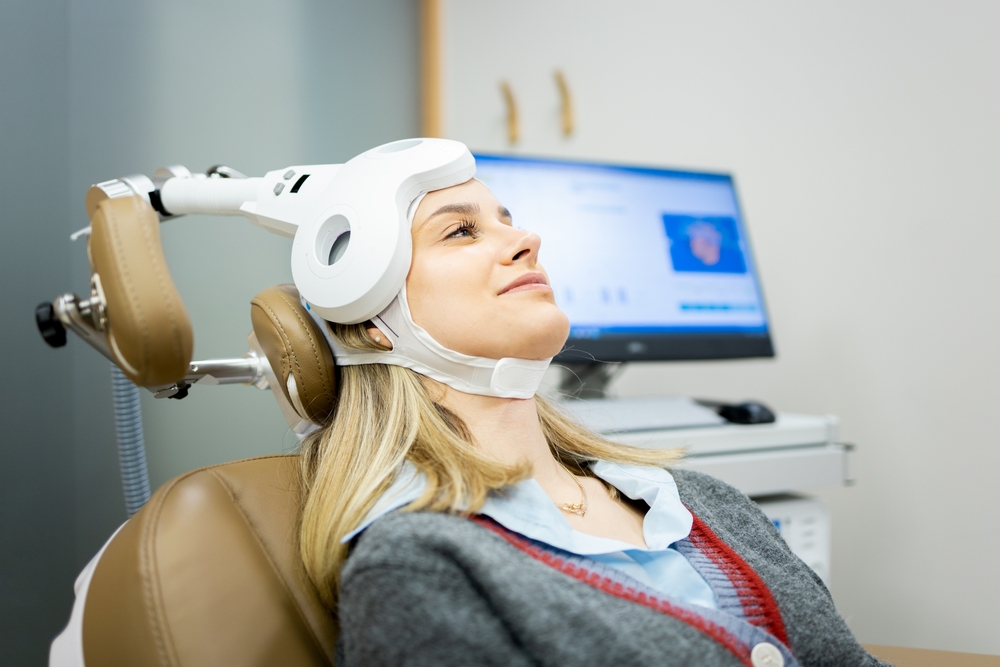
At Sona Psychiatry & TMS, we offer advanced, evidence-based treatment options for individuals struggling with depression that has not improved with therapy or medication alone. One of our most effective non-invasive treatment options is Transcranial Magnetic Stimulation (TMS), designed to help patients who continue to experience symptoms despite standard care.
Transcranial Magnetic Stimulation is a safe, FDA-approved, non-invasive procedure that uses targeted magnetic pulses to stimulate specific areas of the brain involved in mood regulation. It is most commonly used for treatment-resistant depression and is provided as part of a comprehensive psychiatric treatment plan tailored to each patient’s needs.
What is TMS?
Transcranial magnetic stimulation is a brain stimulation therapy that works by activating underactive regions of the brain associated with mood and emotional regulation. Research suggests that certain mental health conditions, including depression, may be linked to reduced activity in these areas.
During treatment, a specialized device delivers gentle magnetic pulses through a coil placed on the scalp. These pulses help stimulate nerve cells in the targeted brain region, supporting improved communication between brain circuits and contributing to symptom relief over time.
TMS does not require anesthesia, is non-invasive, and patients remain awake and alert during each session.
What conditions can TMS treat?
At Sona Psychiatry & TMS, TMS is primarily used to treat:
- Depression, including treatment-resistant depression
- Depression with anxious distress
- Obsessive-compulsive disorder (in select cases and treatment plans)
- Postpartum depression (when clinically appropriate)
TMS is typically recommended when patients have not achieved sufficient improvement with medication management or psychotherapy alone.
What is treatment like?
TMS is performed in an outpatient setting. During each session, you will sit comfortably while a treatment coil is placed against your head. The device delivers repetitive magnetic pulses to the targeted brain area.
Patients may hear clicking sounds and feel a tapping sensation on the scalp during treatment. Most individuals tolerate the procedure well and are able to return to normal daily activities immediately afterward.
Treatment is typically administered five days per week over several weeks, with the exact schedule tailored to each patient’s clinical needs and response to therapy.
Who is a good candidate for TMS?
TMS may be appropriate for individuals who:
- Are diagnosed with treatment-resistant depression
- Have not responded adequately to medication or therapy
- Are able to attend regular treatment sessions over several weeks
- Do not have contraindicated metal implants or unmanaged seizure risk
- Are adolescents or adults, depending on clinical evaluation and appropriateness
All patients undergo a thorough psychiatric evaluation to determine whether TMS is a safe and effective option.
What are the side effects of TMS?
TMS is generally well tolerated and has a low risk of side effects. The most common effects include mild scalp discomfort, facial muscle twitching during treatment, or temporary headaches.
Headaches can usually be managed with over-the-counter pain relief and often improve as treatment continues. TMS does not cause memory loss or cognitive impairment, and patients do not need recovery time after sessions.
Why choose TMS at Sona Psychiatry & TMS?
At Sona Psychiatry & TMS, we are committed to providing comprehensive, patient-centered care using advanced treatment options when appropriate. Our approach ensures that each patient receives a personalized evaluation and treatment plan designed to support long-term mental wellness and symptom improvement.
TMS is integrated into a broader continuum of care that may include medication management, therapy, and supportive psychiatric services to help patients achieve the best possible outcomes.
When should I consider TMS?
You may want to consider TMS if you have been struggling with persistent depression symptoms despite ongoing treatment and are looking for an additional, non-invasive option that targets brain activity directly.
A psychiatric evaluation can help determine whether TMS is appropriate for your specific needs and treatment history.
To learn more about Transcranial Magnetic Stimulation or to schedule a consultation, please contact Sona Psychiatry & TMS or request an appointment online.
Is TMS Right for Me?
Transcranial Magnetic Stimulation (TMS) may be an appropriate treatment option if you are experiencing ongoing symptoms of depression that have not improved with traditional approaches. You may be a candidate for TMS if:
- You have tried one or more antidepressant medications without adequate relief
- Medications have not provided meaningful or lasting improvement
- You experience side effects from medications that outweigh the benefits
- Depression continues to interfere with your daily functioning and overall quality of life
- Your symptoms are impacting your ability to work or maintain responsibilities
- Depression is contributing to increased medical visits or affecting your physical health
- You feel that depression continues to have a significant impact on your life
TMS offers a non-invasive, medication-free treatment option for individuals seeking an alternative path to relief.
Our team will complete a comprehensive evaluation to determine if TMS is right for you and develop a personalized treatment plan tailored to your needs


Keep In Touch
For non-urgent questions or to learn more about our services, contact us today!
© 2026 Sona Psychiatry & TMS. All rights Reserved - Accessibility Statement - Privacy Policy - Sitemap
Managed and Designed by 